6 Day Great Serengeti Wildebeest Migration


Price
Duration
6 days
Max People
60
Min Age
5+
Tour Type
Reviews
No reviews yetOverview
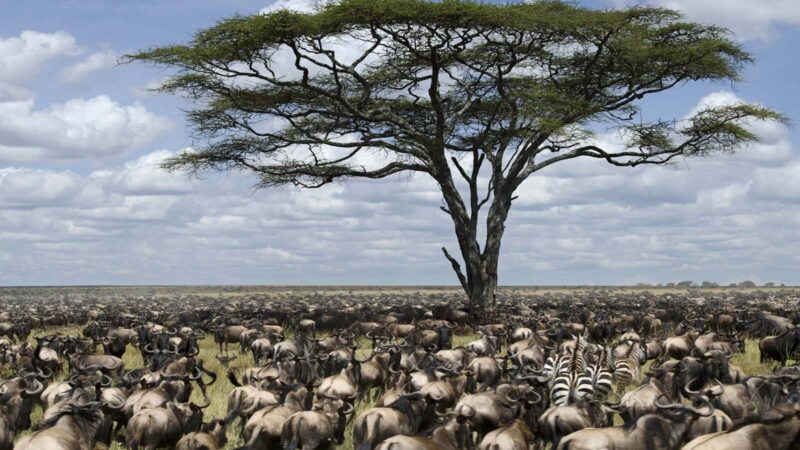
The Great Migration is the largest herd movement of animals on the planet. In fact, with up to 1,000 animals per km², the great columns of wildebeest can be seen from space.
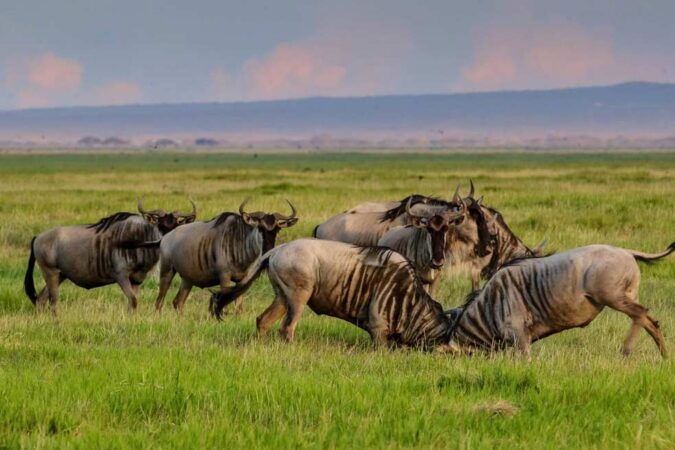
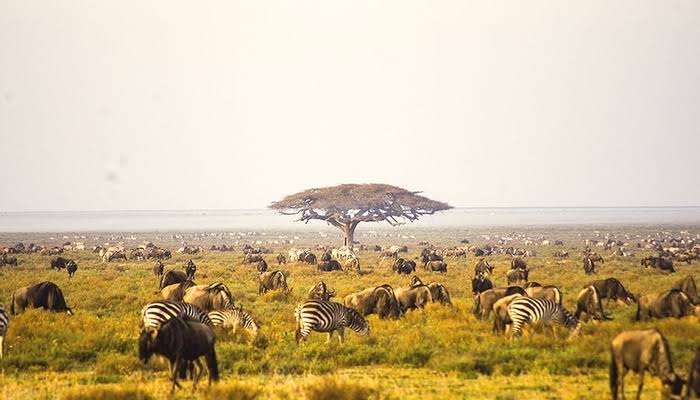
The numbers are astonishing: over 1,2 million wildebeest and 300 000 zebra along with topi and other gazelle move in a constant cycle through the Serengeti-Mara ecosystem in search of nutritious grass and water. Guided by survival instinct, each wildebeest will cover 800 to 1,000km on its individual journey along age-old migration routes. Hungry predators lion, leopard, cheetah, hyena, wild dog and crocs make sure only the strongest survive.
Included/Excluded
- Park fees
- All activities
- All accommodation
- A professional driver/guide
- All transportation
- All flights during the tour
- All Taxes/VAT
- Roundtrip airport transfer
- Meals
- Drinks
- International flights
- Additional accommodation before and at the end of the tour
- Tips
- Personal items
- Government imposed increase of taxes and/or park fees
Tour Plan
Day 1: Arusha – Ngorongoro
Pick up from Arusha and transfer to the Ngorongoro Conservation area. We arrive in time for lunch at the lodge and after lunch we will descend over 600 meters into the crater to view wildlife for an afternoon safari tour. Supported by a year round water supply and fodder, the Ngorongoro National Park supports a vast variety of animals, which include herds of wildebeest, zebra, buffalo, eland, warthog, hippo, and giant African elephants. Another big draw card to this picturesque national park, is it’s dense population of predators, which include lions, hyenas, jackals, cheetahs and the ever-elusive leopard, which sometimes requires a trained eye to spot. We will visit Lake Magadi, a large but shallow alkaline lake in the south western corner, which is one of the main features of the crater. A large number of flamingos, hippos and other water birds can usually been seen here. Dinner and overnight Ngorongoro Rhino Camp
Day 2: Ngorongoro – Central Serengeti
Non game-viewing travel time: 5 hours
Distance: 145 km
After breakfast we will head towards the Serengeti National Park, leaving the highlands behind, we descend into the heart of wild Africa – the Serengeti National – with its endless plains, rolling into the distance as far as the eye can see. We head to the Seronera area, one of the richest wildlife habitats in the park, featuring the Seronera River, which provides a valuable water source to this area and therefore attracts wildlife well representative of most of the Serengeti’s species. We enjoy a game drive en-route to the lodge.
We arrive in time for lunch and enjoy an afternoon game drive in the Serengeti national park.
Dinner and overnight at Serengeti Bush Camp
Day 3: Explore and following the Great Migration
Be one of only a few fortunate people to glide in a Hot Air Balloon over the Serengeti Plains (available at supplementary cost by per-arrangement). Floating silently above the awakening bush, while spotting wildlife and enjoying the amazing scenery of Africa, across rivers and over numerous small villages.
After breakfast, enjoy a full day game drive in the Serengeti National Park. The wildebeest migration normally pass through the area in April & May, however the Seronera area is within reach of both the southern plains and the Western Corridor. The resident game in the area is phenomenal and species such as elephant, buffalo, gazelle, zebra, lion and a variety of other predators and herbivores can be seen here all year round.
Explore the range of different habitats that include swamps, woodland, soda lakes and the world famous Serengeti short grass plains. See great herds of wildebeest and zebra. During a short time frame around February, normally lasting for about 3 weeks, the majority of the wildebeest calve. The sea of grass provides little cover and the young are easy pickings for a variety of predators. Wildebeest calves can run minutes after they are born and within 3 days they are normally strong enough to keep up with the herd. Dinner and overnight at Serengeti bush camp
Day 4: Central Serengeti – Western Serengeti
After breakfast we head towards the western reaches of the Serengeti National Park, also known as the Western Corridor. We will do a game drive en-route from the Seronera area to the Western Corridor area.
We arrive in time for lunch at the lodge and after lunch will we enjoy an afternoon game drive in the area. The wildebeest migration can normally be found in the Western Corridor area in June, depending on rainfall patterns.
Dinner and overnight in the Western Corridor area, at Serengeti Heritage Camp
Day 5: Western Serengeti
After breakfast enjoy a full day game drive in the Western Corridor. The key feature in the Western Corridor is the Grumeti and Mbalageti rivers, running almost parallel to each other, each support a band of evergreen forest. The rivers sustain a permanent game population of zebra, wildebeest, all the predators and birdlife. It is also possible to find large pods of hippo’s and huge crocodiles in the Grumeti River. The wildebeest normally gather around waterholes midmorning in such densities, that they look like ants swarming around a nest. Dinner and overnight in the Western Corridor area,at Serengeti Heritage Camp
Day 6: Western Serengeti – Arusha
After breakfast at the camp we will drive to Arusha via ngorongoro conservation explore the masai boma and other areas on arrival in Arusha will we have lunch and then we will end our African safari adventure. You will be taken to your hotel, which ends our
You may like
Reviews
No reviews yet